
Hear from Our Customers
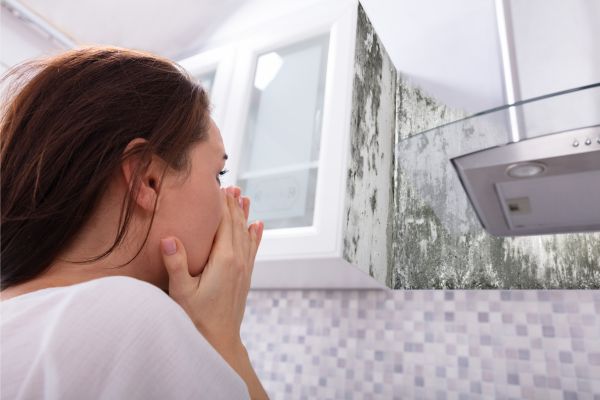
You can’t fix what you can’t see. That musty smell in the basement, the discoloration on the ceiling, or just the nagging feeling that something’s off—these are signs that mold might be growing somewhere in your home.
Professional mold testing tells you exactly what’s there, where it’s coming from, and how serious it is. No guessing. No overreacting. Just facts from a lab analysis that shows you the mold type, spore count, and whether levels are elevated beyond what’s normal.
When you know what you’re dealing with, you can act on it the right way. Early detection saves you from bigger problems down the road—damage to your home, expensive repairs, and health issues that could have been avoided. Nearly half of U.S. homes have mold, but most homeowners don’t realize it until it’s already causing problems.
Testing gives you a head start. It’s the difference between a small fix now and a major headache later.
We serve homeowners throughout Derstines and Bucks County with straightforward mold testing that’s built around accuracy and honesty. We’re not here to sell you services you don’t need—we’re here to give you real answers.
Bucks County’s climate creates the perfect conditions for mold. Humid summers, older homes with limited airflow, and moisture that doesn’t evaporate quickly all contribute to mold growth in attics, basements, and crawl spaces. We’ve seen it in hundreds of homes across the area, and we know where to look.
When you call us at 215-431-4744, you’re getting local professionals who understand the specific challenges Pennsylvania homeowners face. We use modern equipment, send samples to certified labs, and walk you through the results in plain language so you know exactly what’s happening in your home.
The process starts with a phone call. You describe what you’re seeing, smelling, or concerned about, and we schedule a time to come out and take a look.
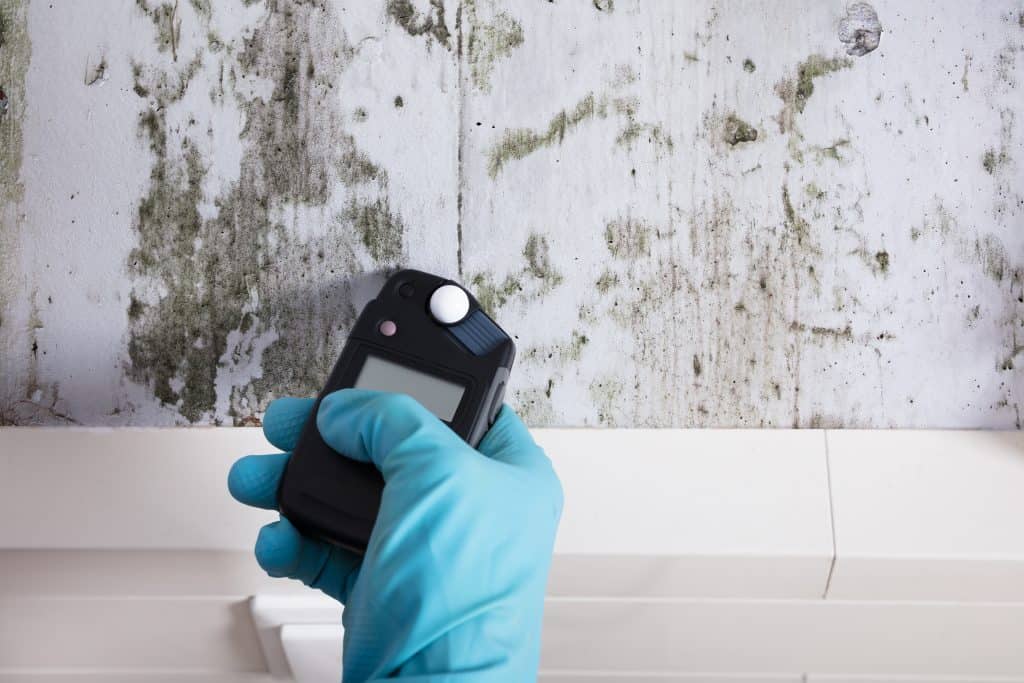
When we arrive, we do a thorough walkthrough of your home. We’re looking for visible signs of mold, moisture problems, and areas where conditions are right for growth—places like attics, basements, bathrooms, and anywhere water damage has occurred. We use infrared thermal imaging and moisture meters to detect issues you can’t see with the naked eye.
Next, we collect samples. Depending on what we find, that might mean air sampling to measure spore levels or surface samples from areas where mold is visible. These samples go to a certified lab for analysis.
Within a few days, you get a detailed report that breaks down what was found—the type of mold, the spore count, and whether levels are elevated. We also identify the source of moisture that’s feeding the mold, because without fixing that, the problem will come back.
Then we talk through your options. Sometimes it’s a simple fix. Sometimes it requires remediation. Either way, you’ll know what needs to happen and why.
Ready to get started?
Our residential mold testing covers everything you need to understand what’s happening in your home. We conduct a full visual inspection, checking common problem areas and using technology to find hidden moisture that could be fueling mold growth.
We collect air and surface samples based on what we discover during the inspection. Air samples measure the concentration of mold spores in your indoor environment compared to outdoor levels. Surface samples identify the specific type of mold growing on walls, ceilings, or other materials.
All samples are analyzed by a certified laboratory. The lab report includes mold species identification, spore counts, and an assessment of whether your indoor mold levels are elevated. You also get phone access to mycologists on staff who can answer technical questions about your results.
In Derstines and throughout Bucks County, we see mold issues spike during the humid summer months when air conditioning systems run constantly and attics trap moisture. Older homes in the area—especially those near water sources—are particularly vulnerable. Our testing accounts for these local conditions and helps you understand whether what you’re experiencing is typical or a red flag that needs attention.
We also pinpoint the moisture source. Mold doesn’t grow without water, so finding and fixing leaks, condensation, or ventilation problems is just as important as identifying the mold itself.
If you’re smelling something musty, seeing discoloration or staining on walls or ceilings, or dealing with unexplained respiratory issues, those are all reasons to test. You should also consider testing after any water damage—even if it was cleaned up quickly—because mold can start growing within 24 to 48 hours.
Sometimes there are no obvious signs, but you still have concerns. Maybe someone in your family has asthma or allergies that seem worse at home. Maybe you’re buying or selling a property and want to know what you’re dealing with. Testing gives you clarity either way.
In Bucks County, where humidity levels stay high through the summer and many homes have basements or crawl spaces with limited airflow, mold is more common than most people realize. Nearly half of all U.S. homes have mold or dampness issues, but most homeowners don’t know it. Testing removes the guesswork.
A mold inspection is the visual assessment—walking through your home, looking for signs of mold, checking for moisture problems, and identifying conditions that could lead to growth. It’s about understanding what’s visible and where the risk areas are.
Mold testing goes further. It involves collecting air or surface samples and sending them to a lab for analysis. The lab identifies the type of mold, measures spore concentration, and determines whether your indoor levels are elevated compared to what’s normal.
Most of the time, you need both. The inspection tells us where to look and what to test. The testing confirms what’s actually there and how serious it is. Together, they give you a complete picture of your situation so you can make informed decisions about next steps.
The onsite inspection and sample collection usually takes one to two hours, depending on the size of your home and the scope of the problem. We’re thorough, but we’re also efficient—we know you’re busy.
Once we collect the samples, they’re sent to a certified lab for analysis. Lab results typically come back within three to five business days. As soon as we receive the report, we’ll contact you to go over the findings.
The report itself breaks down everything in detail—mold species, spore counts, and whether levels are elevated. We’ll walk you through what it means in plain language, answer your questions, and discuss what needs to happen next. If the results show elevated mold levels, we’ll also help you understand the source of the problem and what your options are for addressing it.
You can, but those kits have serious limitations. Most DIY mold test kits only tell you that mold is present—which isn’t particularly useful, because mold spores exist in almost every indoor environment. They don’t tell you what type of mold it is, how much is there, or whether the levels are actually a problem.
Professional mold testing uses lab analysis to identify specific mold species and measure spore concentration. That’s critical, because not all mold is the same. Some types are more harmful than others, and knowing what you’re dealing with determines how you should respond.
Professional testing also includes an inspection that identifies the moisture source feeding the mold. Without fixing that, the mold will keep coming back no matter how many times you clean it. DIY kits don’t give you that context. If you’re serious about understanding what’s happening in your home, professional testing is worth the investment.
In Bucks County, we frequently see Aspergillus, Penicillium, and Cladosporium—all of which thrive in damp, humid conditions. These are common indoor molds that grow on building materials, insulation, and even dust when moisture levels are high enough.
Stachybotrys, often called black mold, is less common but tends to show up in areas with significant water damage or long-term moisture problems—think basements with chronic leaks or attics with roof damage. It grows on materials with high cellulose content like drywall and wood.
Pennsylvania’s climate makes mold growth more likely during the summer months when humidity sits in that range where moisture doesn’t evaporate quickly. Homes with poor ventilation, older HVAC systems, or basements that stay damp year-round are especially vulnerable. Testing identifies exactly what’s growing in your home so you know whether it’s a minor issue or something that needs immediate attention.
The cost of mold testing depends on the size of your home, the number of samples needed, and the complexity of the inspection. Most residential mold testing in Bucks County ranges from a few hundred dollars to around $600 or $700 for more extensive testing.
That might sound like a lot, but consider what you’re getting—an accurate assessment from a certified lab, identification of the moisture source, and a clear understanding of whether you have a problem that needs fixing. Compare that to the cost of ignoring mold: structural damage, health issues, and remediation projects that can run into the thousands.
Early detection saves money. If testing catches mold before it spreads, you’re looking at a much smaller fix than if you wait until it’s growing behind walls or affecting your HVAC system. Call us at 215-431-4744 and we’ll give you a straightforward answer about what testing will cost for your specific situation. No surprises, no upselling—just honest pricing based on what your home actually needs.
Other Services we provide in Derstines